The Roofing Contractor
☎ (801) 738-0736TRC ROOFING BLOG
Roofing Tips for Utah Homeowners
From high-elevation sun to heavy mountain snow, Utah's weather puts real stress on residential roofs throughout the year. This is where we'll share practical, homeowner-focused guidance on roof care, common warning signs, and what to expect from routine maintenance and repairs.
How Utah's Climate Affects Your Roof: A Season-by-Season Guide
Posted September 24, 2026 · The Roofing Contractor
Utah's high elevation and dramatic seasonal swings mean roofs here work harder than in many other parts of the country. Here's how each season typically affects a roof, and what's worth watching for.
Winter: Snow Load and Ice Dams
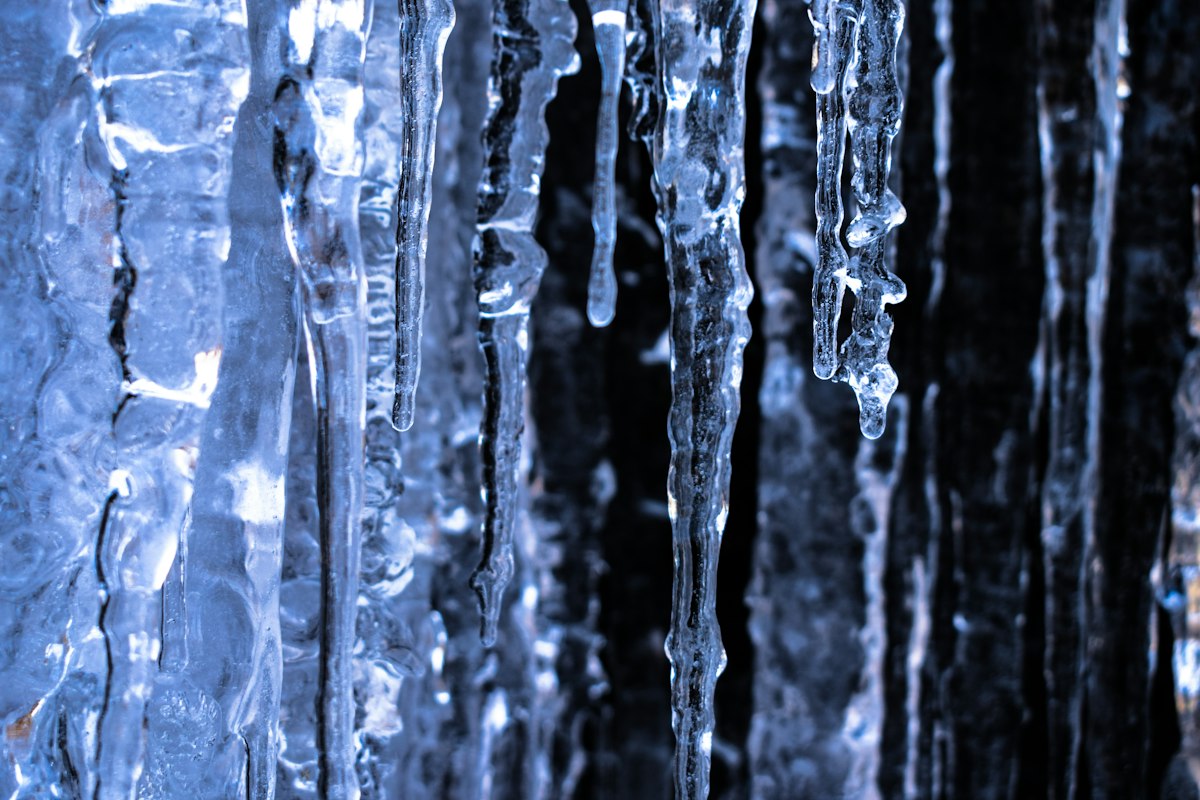
Heavy snowfall adds real weight to a roof, and Utah's freeze-thaw cycles create a specific hazard: ice dams. When warm afternoon sun partially melts snow and the meltwater refreezes overnight along the eaves, it can back up under shingles and force water into the roof deck. An even line of icicles along the roof edge, or water stains on interior ceilings after a cold snap, are both worth a closer look.
Spring: Wind and Hail
Spring storms in Utah can bring strong wind gusts and hail, both of which are hard on shingles. Wind can lift or loosen shingles at the edges, while hail can dent, crack, or knock granules loose. After a spring storm, a quick look from the ground for missing or displaced shingles, and a check of your gutters for granule buildup, can help flag damage early.
Summer: Intense UV Exposure
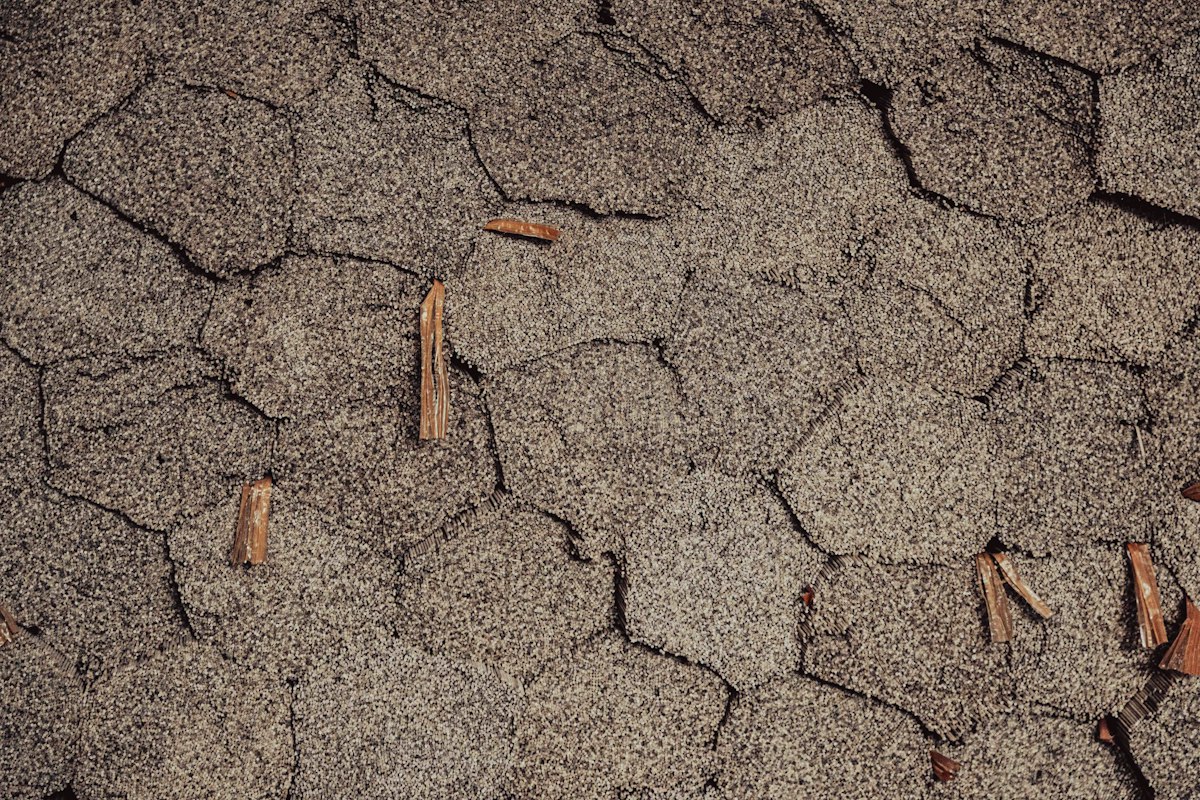
Utah sees more than 220 sunny days a year, and the state's elevation means UV rays hit roofing materials harder than at lower altitudes. Over time, that exposure dries out the oils in asphalt shingles, making them more brittle, more prone to cracking, and more likely to lose granules — all signs of accelerated aging that can shorten a roof's lifespan.
Fall: Getting Ready for Winter
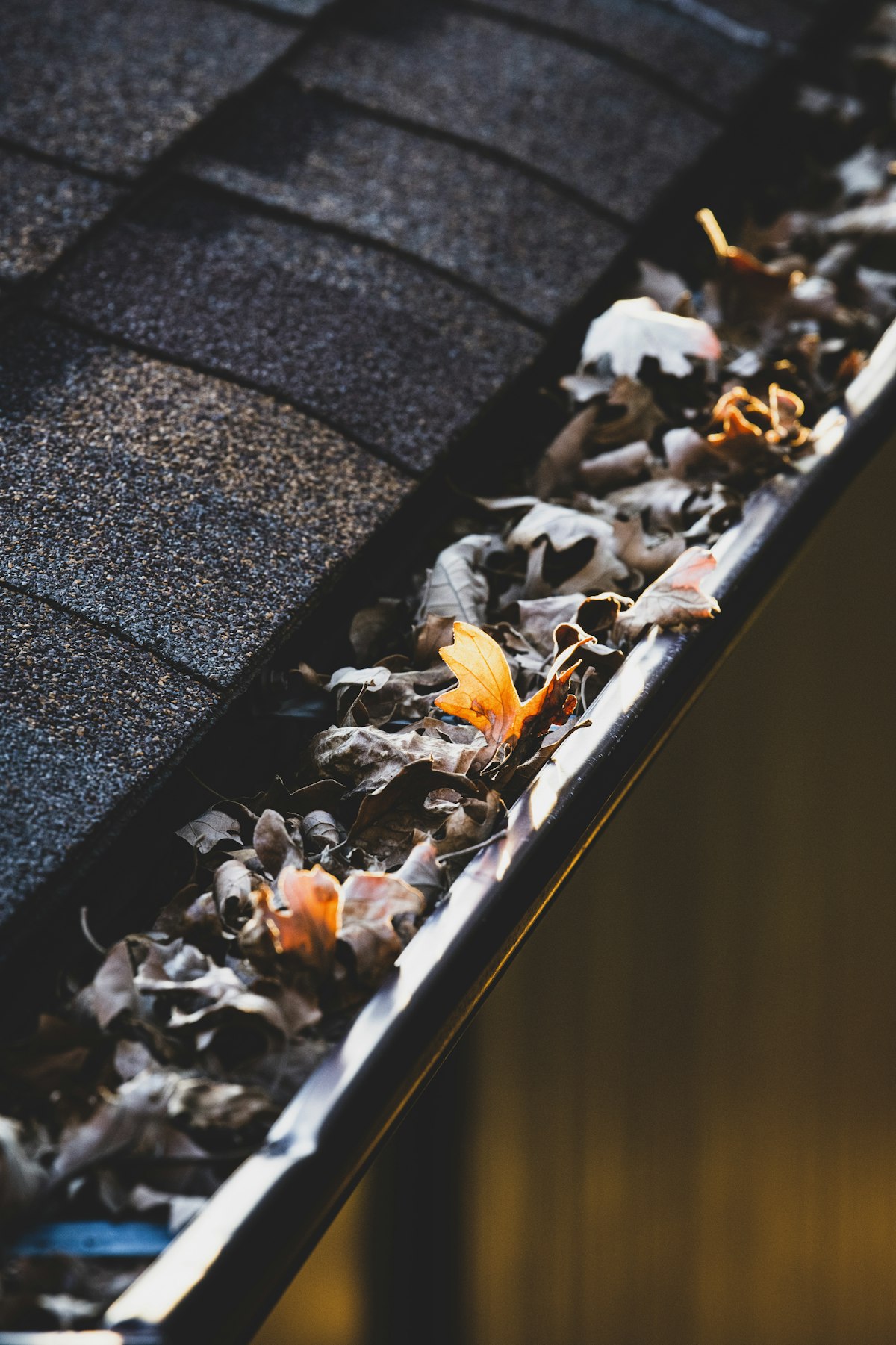
Cooler nights and shorter days mean less time for a roof to dry out after rain, which can let moisture linger in valleys, around vents, and under fallen leaves. Clearing debris from gutters and roof valleys before winter arrives helps water drain properly once the snow starts.
Warning Signs Worth a Closer Look
A few things are worth paying attention to: shingles that are curling, cracking, or missing granules; dark streaks or staining on the roof surface; sagging spots when viewed from the ground; water stains on ceilings or walls; or a noticeable jump in heating or cooling costs. None of these guarantee a problem on their own, but they're worth having a professional take a look at.
Regular roof inspections are one of the simplest ways to catch these issues early, especially given how much Utah's seasons ask of a roof over the course of a year.
Schedule a Free Roof InspectionMore roofing tips and project updates are on the way — check back soon.